


Since its inception in 2012, Ireland’s Helicopter Emergency Medical Services (HEMS) has become a vital component of the country’s emergency response infrastructure. Operated by the National Ambulance Service (NAS), the service has evolved into a highly coordinated airborne medical lifeline, particularly for patients in remote or rural areas.
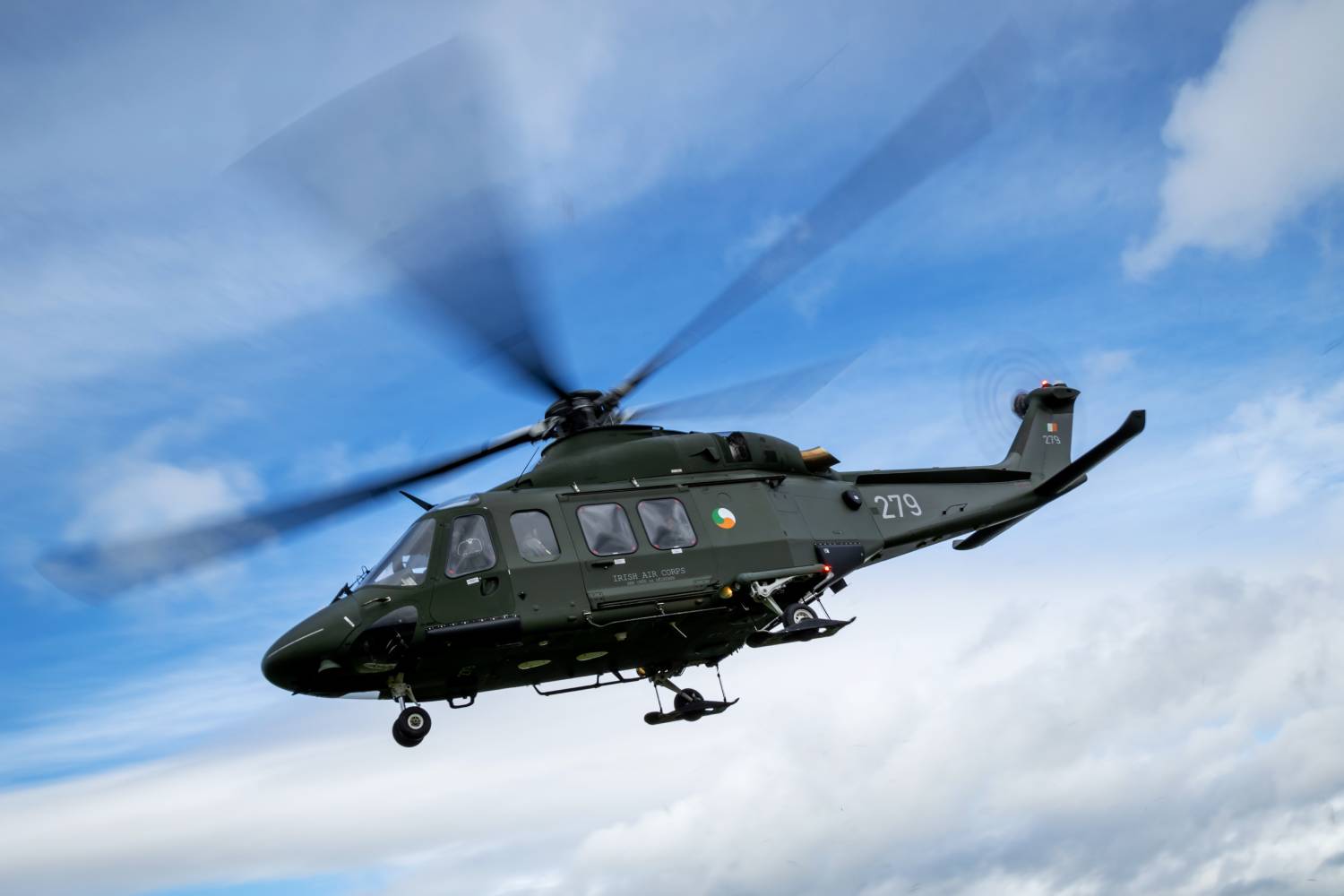
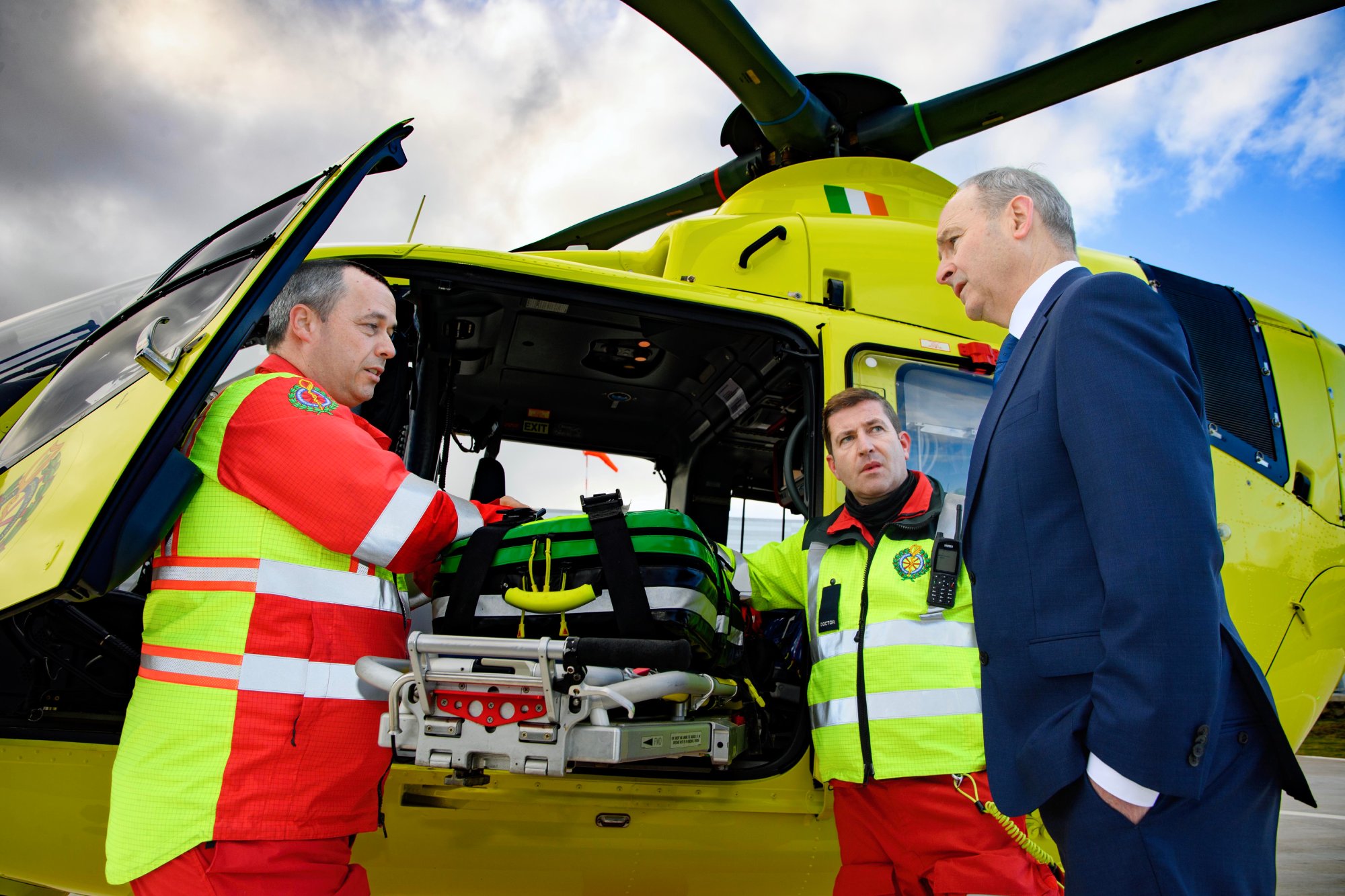
The HEMS fleet in Ireland is primarily composed of an Air Corps operated AW139 helicopter, based at Custume Barracks in Athlone, and supported by Irish Coast Guard aircraft when required. In 2019, a second base was added in the southwest, initially funded by a local charity and now state-supported, using an Airbus EC135 operated by Gulf Med Aviation Services (GMAS). These aircraft are equipped for rapid deployment and advanced medical care, staffed by paramedics trained in critical prehospital interventions.
Both of these helicopter types are ideal for Ireland’s varied terrain and unpredictable weather, allowing for swift access to even the most isolated regions.
According to the 2025 retrospective analysis published in the Scandinavian Journal of Trauma, Resuscitation and Emergency Medicine, the Irish HEMS received 8,392 mission requests between 2012 and 2023. Of these, 60.1% resulted in patient contact, and 73.4% of completed missions involved air transport to hospital
The missions were split almost evenly between medical (50.1%) and trauma (49.5%) cases. Cardiac emergencies and road traffic collisions were the most common presentations. The majority of missions occurred in rural counties, underscoring the importance of air access where ground transport times are prohibitive.
Operational Mission Characteristics
Most HEMS missions were conducted during daylight hours, with afternoon dispatches accounting for 57.7% of activity. Seasonal variation was notable: spring and summer saw 56.1% of missions, while winter months had a significantly higher rate of mission declines due to weather and daylight limitations.
Of the 8,392 missions, 73.1% were conducted within a 20-minute flight radius of the HEMS bases. Four regions accounted for the bulk of activity:
- West: 24.9% (2,092)
- Mid-West: 16.8% (1,408)
- South-West: 16.5% (1,385)
- Midland: 14.9% (1,248)
These regions collectively represented 73.1% of all missions, reflecting the strategic placement of HEMS bases and the rural nature of these areas. Regions further than 30 minutes from a base such as the North-West, North-East, South-East, and East accounted for only 26.9% of mission requests
The HSE’s Urgent and Emergency Care Operational Plan 2024 reinforces the strategic role of HEMS in reducing time-to-treatment for critical patients. It identifies air medical transport as a key pillar in avoiding emergency department overcrowding and improving outcomes for time-sensitive conditions such as stroke, myocardial infarction, and major trauma.
Additionally, the weekly emergency care reports from the HSE show consistent demand for rapid inter-hospital transfers, particularly from Model 3 hospitals to Model 4 tertiary centres, where specialist care is concentrated.
The analysis by the Scandinavian Journal of Trauma, Resuscitation and Emergency Medicine concludes by stating: “Over the past decade, HEMS in Ireland has provided a valuable contribution to the care of seriously ill and injured patients, particularly in the west and southwest. Service use reflects HEMS base proximity, indicating potential benefits from geographic expansion. Current activation criteria appears to target an appropriate patient cohort, however sustained reassessment of dispatch criteria and hours of operation may enhance service availability.”
Main photo above by Frank Grealish

