


Ireland’s dependence on aviation has once again been underlined in a new policy briefing from the International Air Transport Association (IATA), which sets out a clear and urgent agenda for Government action. Timed ahead of Ireland’s EU Presidency in the second half of 2026, the document positions aviation not simply as a transport mode, but as a cornerstone of national economic strength and global connectivity.

For an island nation on the western edge of Europe, aviation is not optional—it is essential. IATA’s briefing stresses that air connectivity underpins tourism, trade, foreign direct investment, and regional development across the country. The numbers are significant. Aviation directly supports over 44,000 jobs and contributes approximately €4.8 billion to Ireland’s GDP. When wider impacts such as tourism and supply chains are included, the sector supports more than 128,000 jobs and contributes over €17 billion to the economy. Tourism is particularly reliant on air access, with international visitors arriving by air spending close to €13.8 billion annually. This reinforces a simple reality: without strong aviation links, Ireland’s broader economy would be severely constrained.
Dublin Airport
At the heart of IATA’s concerns is Dublin Airport, which handled a record 36.4 million passengers in 2025 and accounts for around 80% of Ireland’s air traffic. Despite this growth, the long-standing passenger cap of 32 million remains a major limitation. While steps are underway to either increase or abolish the cap, IATA makes it clear that continued uncertainty is damaging Ireland’s competitiveness and limiting capacity to grow.
Night-time restrictions present a further challenge. Around 15.5% of inbound seats arrive during night hours, many from long-haul markets such as North America. Early morning arrivals are particularly valuable for business connectivity due to Ireland’s geographic position. Any artificial limits on night operations, IATA argues, risk reducing Ireland’s attractiveness as a hub for international travel and trade.

Ireland’s 2026 EU Presidency
Beyond domestic policy, the briefing highlights a strategic opportunity for Ireland to shape European aviation policy during its upcoming EU Presidency. Europe’s aviation sector is facing a series of challenges, including maintaining global competitiveness, modernising air traffic management systems, scaling sustainable aviation fuel (SAF), and reforming passenger rights frameworks.
Progress across these areas has been slow, with only a small proportion of wider competitiveness recommendations implemented at EU level. IATA is urging Ireland to use its leadership position in 2026 to push for practical, balanced policies that support connectivity while advancing sustainability goals.
Sustainability
The aviation industry’s commitment to achieving net-zero carbon emissions by 2050 is central to the policy agenda. Sustainable Aviation Fuel (SAF) is identified as the key enabler, but its availability remains limited. While EU mandates require a 2% SAF blend from 2025, rising to 6% by 2030, current production levels are falling short of demand. This gap risks driving up costs and potentially impacting ticket prices and connectivity.
IATA outlines several policy priorities:
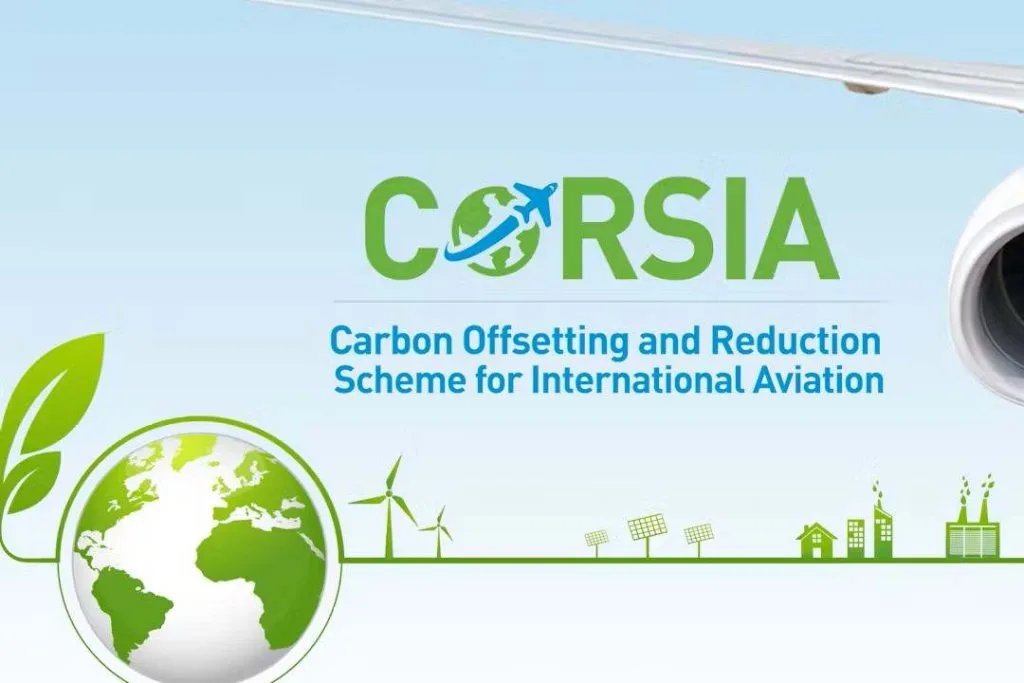
- Full alignment with global carbon schemes (CORSIA)
- Introduction of “book-and-claim” systems to make SAF more accessible
- Reinvestment of carbon pricing revenues into aviation decarbonisation
- Avoiding fragmented or overly burdensome EU-specific regulations
Ireland’s newly adopted SAF roadmap, published in 2025, is seen as a positive step. With the right support, Ireland could position itself as a hub for SAF production and innovation.
Passenger Rights
Another key issue is the ongoing revision of EU passenger rights legislation (EU261). While consumer protection remains vital, IATA argues that current proposals risk overburdening airlines and increasing costs for passengers. The organisation is calling for:
- More realistic compensation thresholds for delays
- Clear definitions of “extraordinary circumstances”
- Reduced administrative complexity
- Preservation of pricing flexibility to maintain affordability
The message is clear: regulation should improve the passenger experience, not inadvertently reduce connectivity or increase fares.
Outdated National Aviation Policy
Ireland’s National Aviation Policy, last updated in 2015, is now overdue for renewal. A revised strategy is expected in 2026, and IATA sees this as a pivotal opportunity to align national policy with current realities including post-Brexit dynamics, the impact of COVID-19, and evolving global competition.
A modernised policy framework, IATA argues, must:
- Support long-term capacity growth
- Enable sustainable development
- Strengthen regional connectivity
- Provide regulatory certainty for investment
IATA’s policy briefing is both a warning and a roadmap. The challenges facing Irish aviation from infrastructure constraints to sustainability pressures are significant. But so too are the opportunities.
With decisive action, Ireland can reinforce its position as a global aviation leader, unlock further economic growth, and lead the transition to a more sustainable industry.
As the country prepares for its EU Presidency and a new national aviation strategy, the message from industry is unmistakable: aviation must remain at the heart of Ireland’s economic and policy priorities.

