


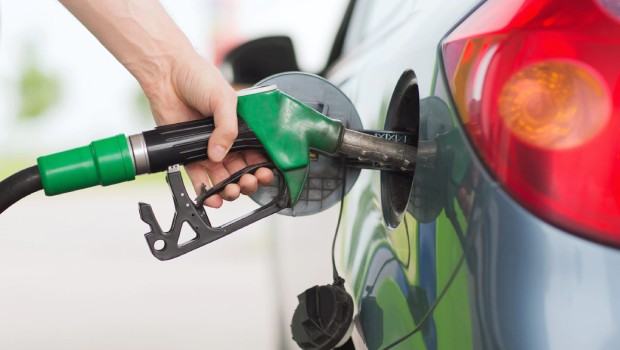
Since 1st July this year, the fuel being sold in forecourts across Ireland is most probably E10. E10 is made up of up to 10% bioethanol, whereas E5, which was available, was 5% bioethanol. E10 petrol reduces the amount of carbon-dioxide-related vehicle emissions and the use of this fuel is part of the Climate Action Plan. This may not be problematic when using a car, but it can have other effects when used in aircraft.
The IAA has updated their guidance around the use of alternate fuels. In the first instance, they remind us that the Pilot-In-Command must use the fuel which the airframe & engine are approved to use, where applicable.
If your aircraft is approved to use Unleaded Petrol containing ethanol, then just follow the guidance published by the aircraft manufacturer and there should be no additional cause for concern.
For older engines, which aren’t ethanol-proof, the pilot must consider if unleaded petrol (Mogas) may be used. While there are STCs available and some engines have run on unleaded petrol without issue for a long time – E10 is a new blend of fuel. E10 contains up to 10% ethanol when delivered to the petrol station, but could contain even more. The use of fuel containing ethanol is usually prohibited in older aircraft.
Dangers of using unleaded petrol in aircraft not designed for such petrol:
- Unleaded petrol can cause gum deposits to form in the engine – resulting in intake and exhaust valves, and fuel metering valves sticking.
- Vapour lock is more likely – due to high vapour pressure.
- Ethanol absorbs water, which increases the likelihood of carb icing
- Ethanol mixed with water is somewhat corrosive and may attack parts of the fuel system
- Ethanol can be harmful to composite fuel tanks
- Some elastomers used in old aircraft models, which are compatible with Avgas, may deteriorate on contact with ethanol
The IAA warns that operating an aircraft on a mixture of different fuel types may be hazardous. They also remind pilots, when using forecourt unleaded petrol to:
- Use only freshly obtained supplies of fuel.
- If you need to transport fuel, use designated containers which are free from contamination.
- Check the fuel for the presence of water.
- Pay particular attention to the serviceability of the carburettor heat, if fitted.
- The ability to maintain take-off power must be verified before the aircraft is committed to completing a take-off.
Ethanol-free (E0) unleaded petrol and UL91 Unleaded Avgas may be alternatives to forecourt unleaded (E10) for aircraft and could be available in airfields/airports in Ireland in the future. These may be more expensive than forecourt petrol, but don’t contain ethanol! Click on the links below for the most up-to-date guidance from the IAA.

