


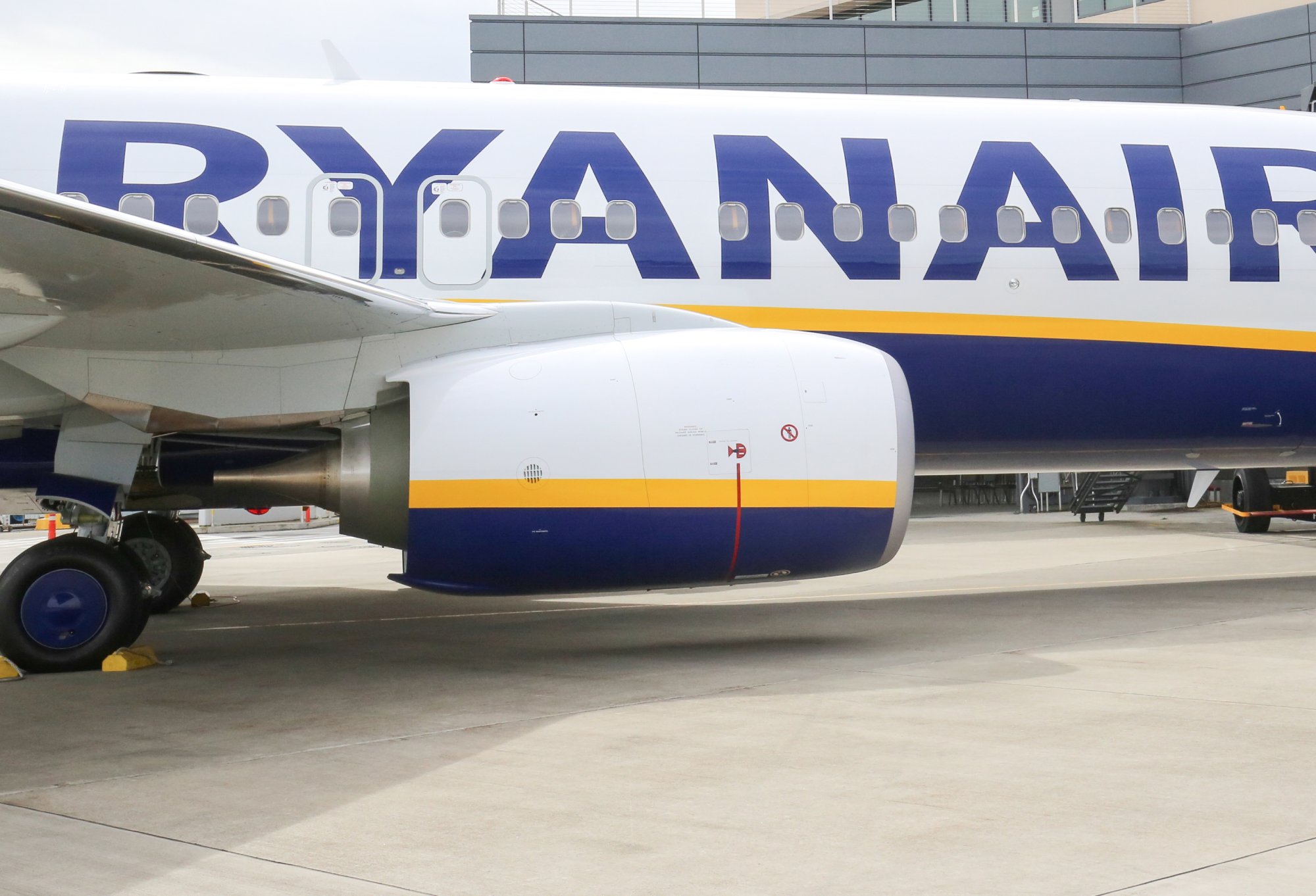
Ryanair has received the environmental authorisation it needs to press ahead with a new €290 million engine maintenance centre at the Port of Seville, after the Junta de Andalucía, the Andalusian regional government, granted a Unified Environmental Authorisation for the project in late August. The approval clears the way for construction to begin at the port’s Free Trade Zone, on a site of over 94,000 square metres.
The facility, aimed at overhauling up to 200 turbofan engines a year, would create around 950 jobs, 600 of them direct, and represents one of the largest single MRO (maintenance, repair and overhaul) investments an Irish airline has made outside Ireland. The complex is planned to include multiple maintenance hangars alongside administration and support buildings, handling the full cycle of engine disassembly, cleaning, repair, testing and reassembly for Ryanair’s Boeing 737 fleet.
Seville was not Ryanair’s only option. The airline had been weighing rival bids from a site in Poland, as well as competing proposals from Italy, the Baltic states and the Czech Republic, as it looked to build in-house engine overhaul capacity to reduce its reliance on third-party MRO providers. Ryanair Chief Executive Eddie Wilson has indicated the airline will confirm its final decision between Seville and the Polish alternative before the end of the year, though the Andalusian authorisation gives the Spanish site a significant head start.
Under the terms of the environmental approval, Ryanair has up to four years to complete construction, with the centre expected to become operational around 2030. Ryanair already runs a wide network of engineering and heavy maintenance bases, including Prestwick, Shannon, Wroclaw, Kaunas, Dublin and an existing airframe maintenance operation at Seville itself, but none of these currently overhaul engines in-house. If it proceeds, the new Port of Seville facility would fill that gap, giving Ryanair its first dedicated in-house engine shop and marking a further step in the airline’s push to reduce its reliance on third-party MRO providers as its Boeing 737 MAX fleet, and associated engine overhaul demand, continues to grow through the rest of the decade.

