


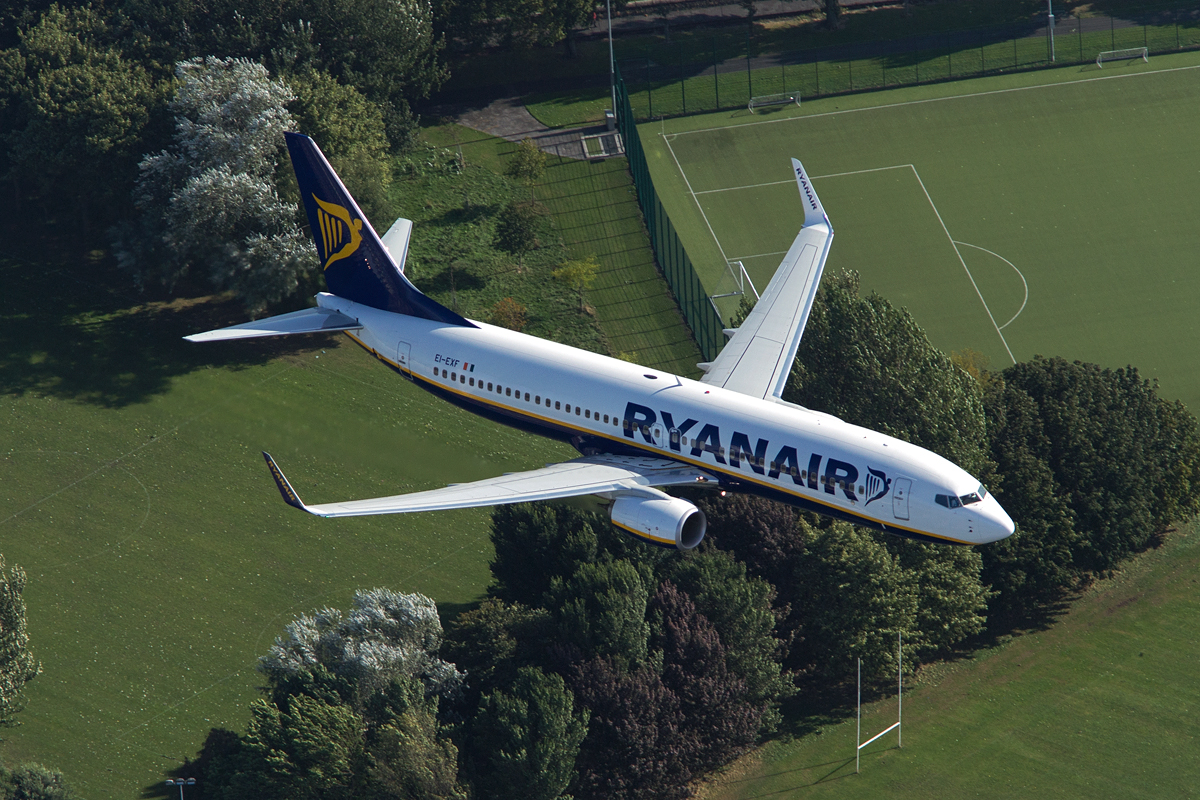
Ryanair has reported a significant drop in quarterly profits despite carrying more than 61 million passengers during the first quarter of its 2027 financial year, highlighting the continuing impact of volatile fuel prices and softer ticket yields across Europe.
The airline announced a profit after tax of €538 million for the three months ending June 2026, a decline of 34% compared to the €820 million recorded during the same period last year. The carrier attributed the downturn primarily to sharply higher jet fuel costs and lower average fares.
Passenger numbers increased by 6% to 61.3 million travellers, while load factor remained unchanged at a strong 94%. However, average fares fell by 6%, resulting in only a modest 1% increase in overall revenue to €4.38 billion. At the same time, operating costs rose 11% to €3.81 billion, largely due to a spike in the price of unhedged fuel.
According to Ryanair, the conflict in the Middle East contributed to uncertainty among travellers, later booking patterns and concerns over fuel supplies, all of which placed pressure on fares during the quarter. The airline noted that its remaining unhedged fuel exposure became significantly more expensive as market prices rose.
Debt-Free Milestone
Despite the challenging trading environment, Ryanair highlighted the strength of its balance sheet. The group repaid its final €1.2 billion bond in May, leaving the airline debt-free. Gross cash reserves stood at more than €2.8 billion at the end of June, even after debt repayments and capital expenditure during the quarter. The airline continues to return value to shareholders through its current €750 million share buyback programme, with approximately 90% of the programme already completed.
Growth Continues Across Europe and North Africa
Ryanair’s fleet now numbers 647 aircraft, including all 210 Boeing 737-8200 aircraft. The carrier expects passenger traffic to grow by 4% this year to 216 million passengers. The airline has opened new bases in Rabat, Tirana and Trapani and launched 130 new routes for the Summer 2026 season. Ryanair says future capacity growth will increasingly favour countries and airports that support aviation growth through lower taxes and charges. It cited Albania, Italy, Morocco, Slovakia and Sweden as examples of growth markets.
Conversely, the airline stated that it is reducing capacity in higher-cost markets, specifically naming Dublin, Germany, Austria and regional Spain as locations affected by higher taxes or operating costs.
Waiting for the MAX 10
Looking ahead, Ryanair remains optimistic about long-term growth despite ongoing aircraft supply constraints across Europe. Boeing is expected to achieve certification for the 737 MAX 10 later this year, with the first 15 aircraft due to enter Ryanair service in spring 2027. The airline has 300 of the fuel-efficient aircraft on order, with deliveries scheduled through to 2034.
Ryanair believes ongoing shortages of new aircraft, engine maintenance issues affecting airlines across Europe and continuing industry consolidation will constrain capacity and support future growth opportunities for low-cost operators.
Outlook Remains Uncertain
While passenger demand remains strong, Ryanair says booking patterns continue to be shorter than last year, reducing visibility for the remainder of the financial year. The airline expects second-quarter fares to remain slightly below last year’s levels and has declined to provide profit guidance for the full year at this stage.
The carrier warned that external factors including geopolitical tensions, fuel price volatility, economic uncertainty and ongoing European air traffic control disruptions could all influence its performance during the coming months.
Main photo above by Frank Grealish.

