


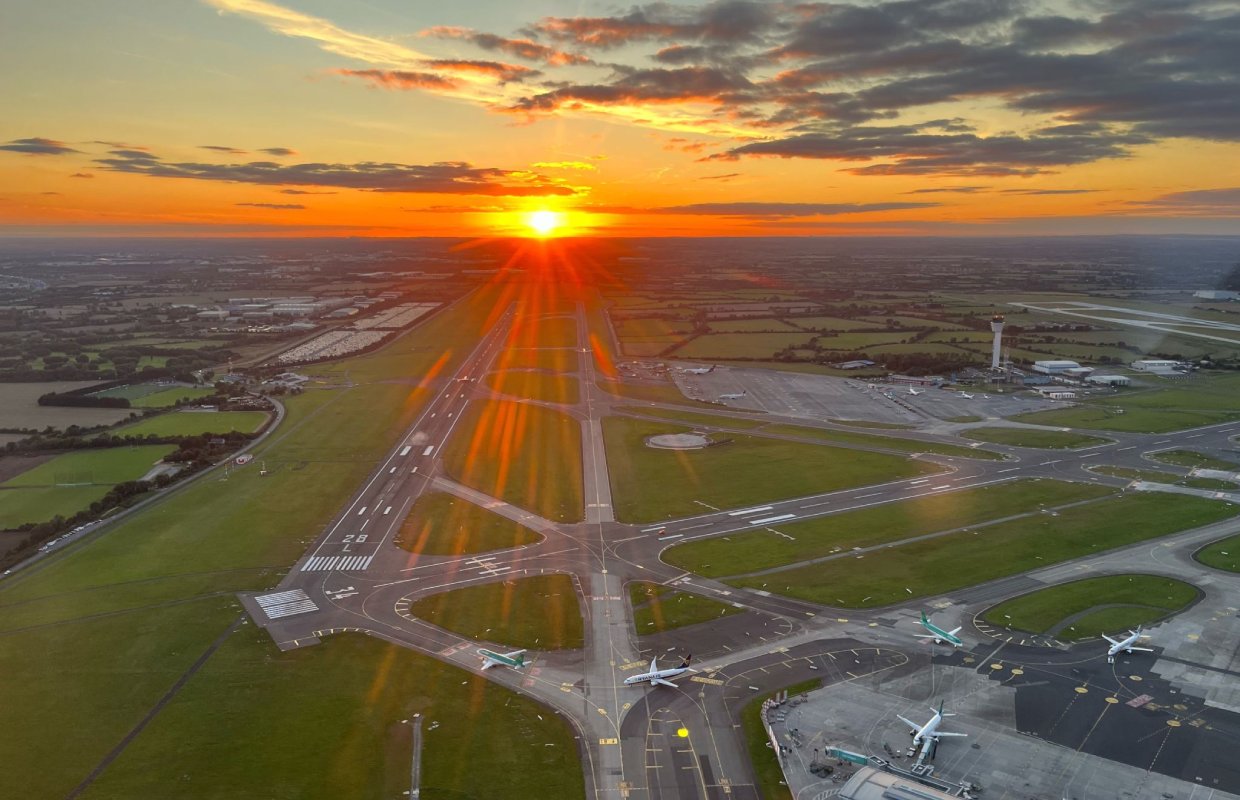
The debate over the long‑standing 32 million passenger cap at Dublin Airport intensified this week as airline CEOs, industry bodies, and international stakeholders presented their opinions to the Dáil Committee on Transport. The hearings form part of the pre‑legislative scrutiny of the Dublin Airport (Passenger Capacity) Bill 2026, which aims to abolish the cap first introduced as a planning condition in 2007.
With the cap currently suspended by the High Court pending European legal proceedings, aviation leaders insisted that legislation cannot wait any longer, warning that delays beyond August–September 2026 will directly disrupt airline planning and capacity declarations for Summer 2027.
Lynne Embleton, CEO of Aer Lingus, issued one of the strongest warnings, telling the committee that enforcing the cap would force Dublin Airport to reduce throughput by approximately 4.4 million passengers, a drop of around 12% relative to the airport’s 36.4 million passengers in 2025. She stressed that such a reduction would have “catastrophic” consequences for Ireland’s connectivity, tourism, inward investment, and competitiveness.
Embleton highlighted that enforcing the cap could cost the Irish economy €1.4 billion in lost expenditure, €320 million in lost exchequer revenue, and up to 37,000 jobs. Timing, she said, is now “absolutely critical,” with airlines required to submit their Summer 2027 capacity declarations by 1st October 2026.
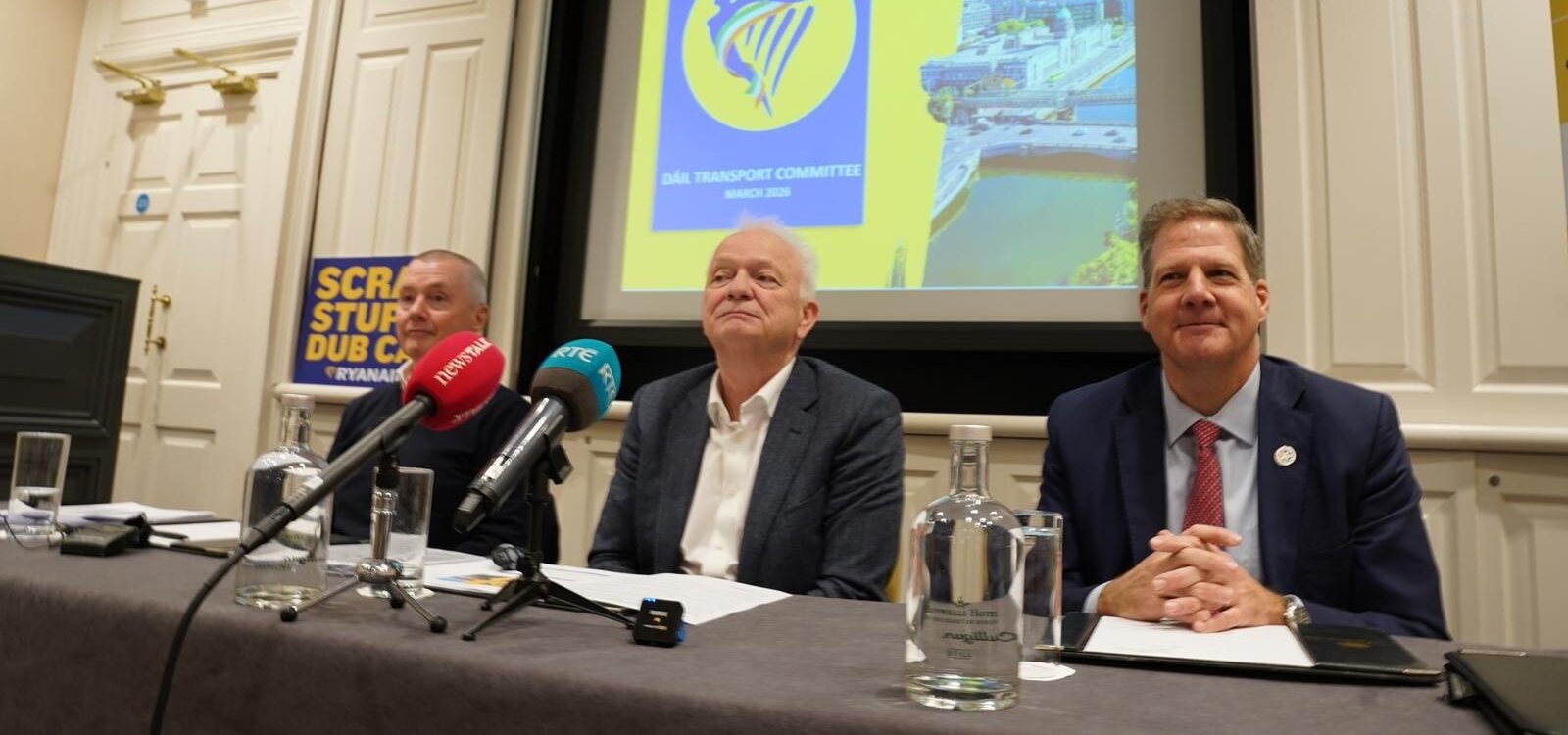
Ryanair, which carries more passengers through Dublin than any other airline, reiterated its long‑standing position that the cap is “unlawful” and based on “outdated” concerns from 2007. The airline’s submission argued that Dublin Airport’s noise footprint is well within safe thresholds and accused local objectors of resisting essential national infrastructure. Ryanair CEO Michael O’Leary criticised the government for failing to deliver on its 2025 programme commitment to scrap the cap “as soon as possible.” The airline claims Ireland risks losing traffic and jobs to other EU states if changes are not made immediately, especially given Dublin’s second runway, which opened in 2020, and which the airline says could support 50–60 million passengers over the next decade.
Representing major U.S. airlines, including American, United, and Delta, Airlines for America (A4A) told the Committee that the current passenger limit severely restricts transatlantic growth. A4A welcomed the Minister’s legislative initiative but warned that urgency “cannot be overstated.” The group also noted ongoing legal disputes, including a U.S. Department of Transportation complaint arguing that passenger restrictions may violate the EU–U.S. Open Skies Agreement.
Willie Walsh, representing the International Air Transport Association (IATA), backed calls for immediate reform, stating that Ireland’s air connectivity is a “strategic national asset” supporting more than 128,000 jobs and contributing billions to the economy. Walsh warned that uncertainty around Dublin Airport’s capacity is already forcing airlines to consider diverting future growth to other European airports. If decisions for Summer 2027 are made without clarity, he cautioned, “Ireland risks losing connectivity that may not return.”
Minister for Transport Darragh O’Brien confirmed during the week that it is “possible” for legislation to abolish the cap to be enacted by September 2026, provided pre-legislative scrutiny concludes promptly in early May and that there is cross‑party cooperation. Airlines countered that August 2026 is the real deadline if Ireland is to avoid capacity restrictions in Summer 2027, as carriers must submit slot and capacity plans by 1st October.
The Oireachtas Transport Committee will issue its report in early May, after which the Minister aims to move “as expeditiously as possible” to enact the Bill. The aviation sector is united in urging rapid progression, stressing that any delay beyond early autumn will lock in restrictive planning assumptions for the 2027 season.

