
Helipad Reopens at Cork University Hospital

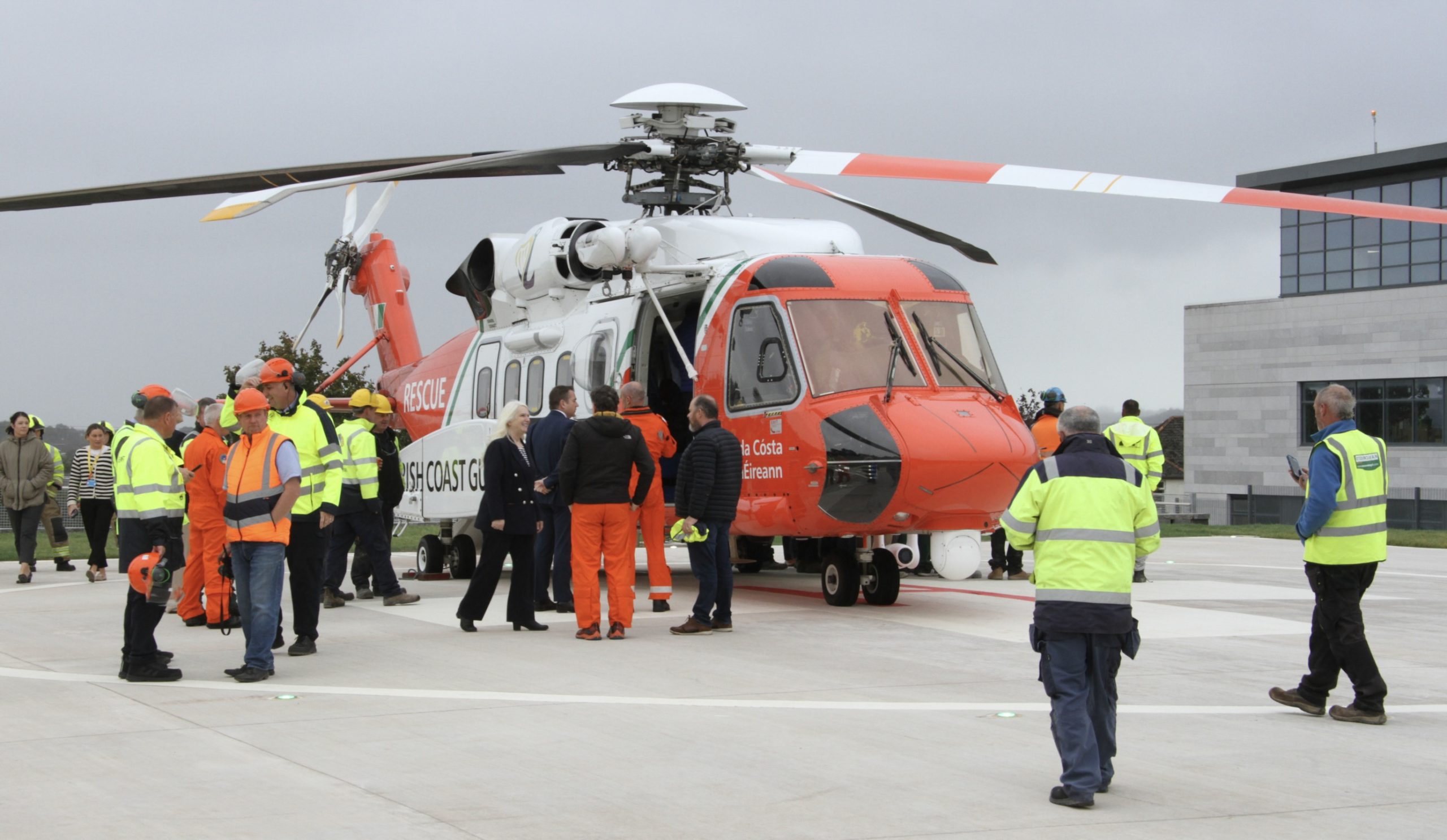
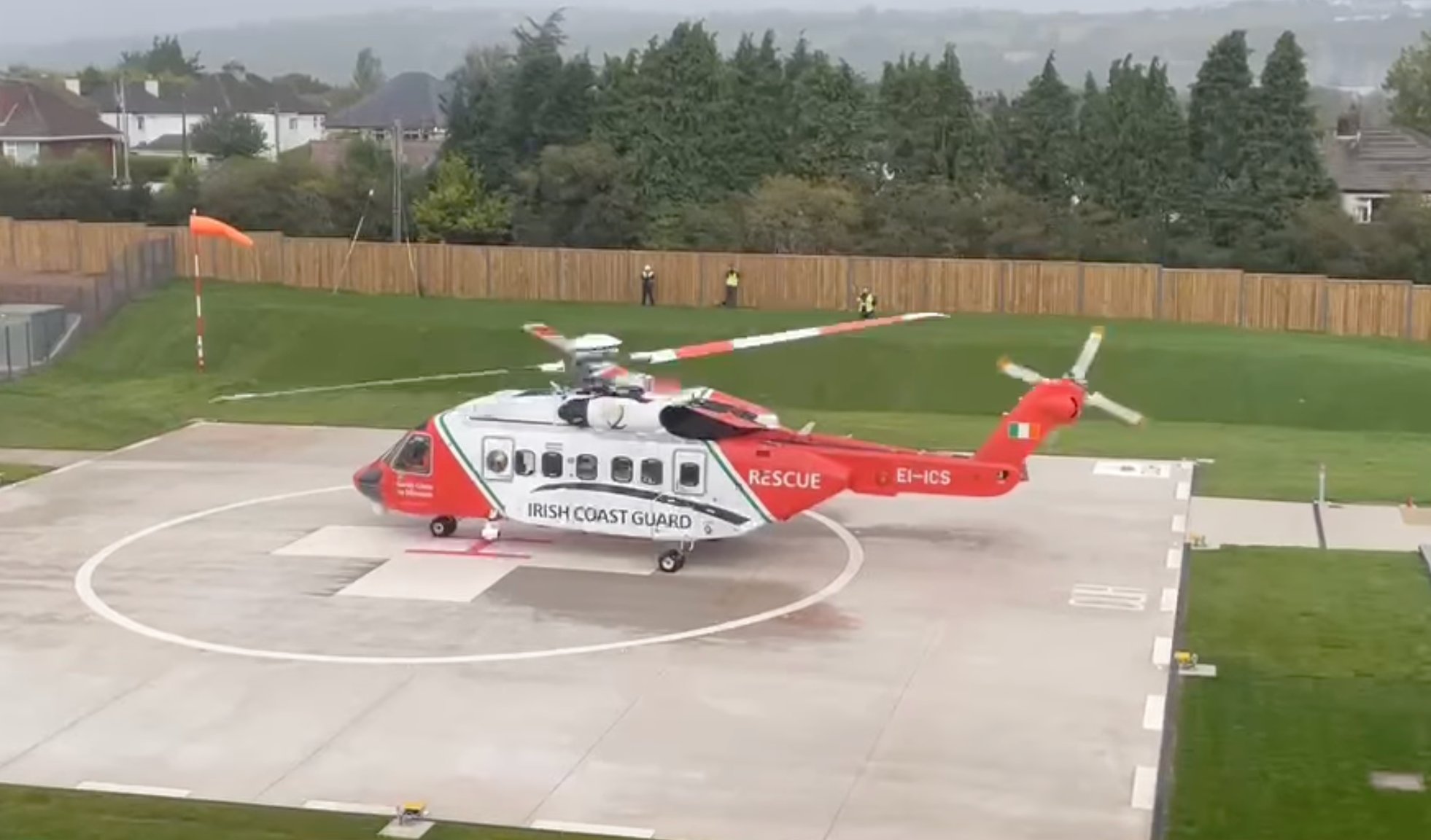
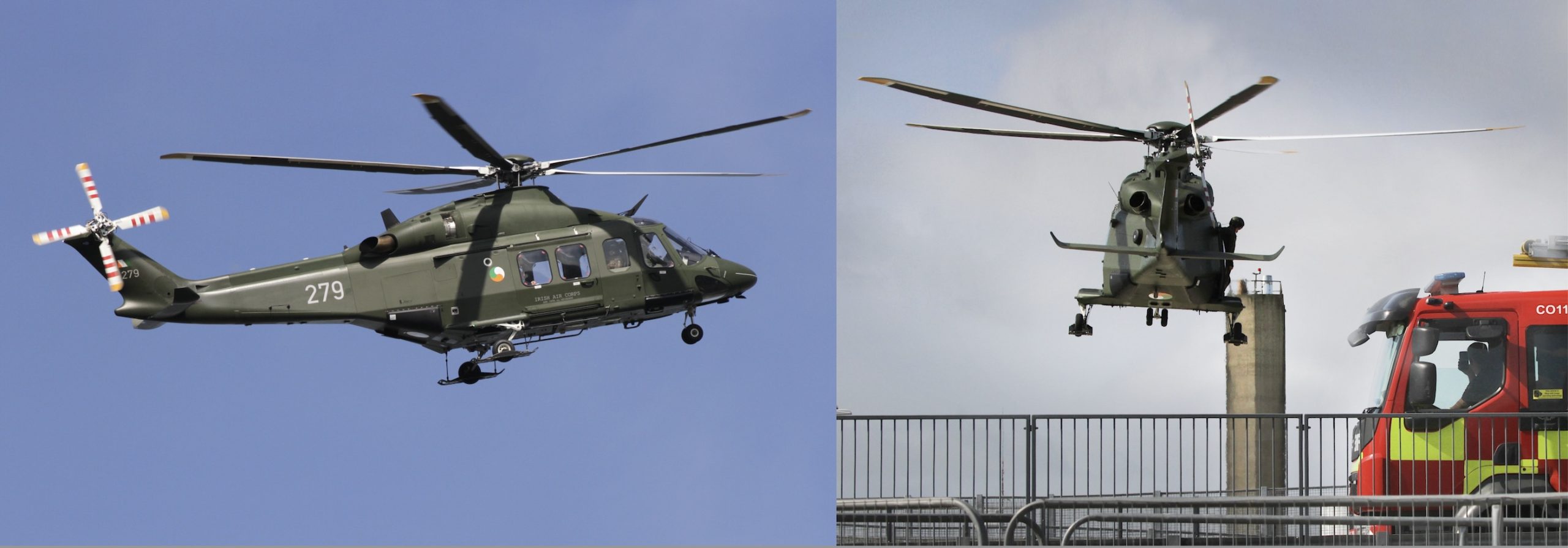
Helicopters from the Irish Air Corps, HSE and Irish Coast Guard have been practising landings this week at the new helipad at Cork University Hospital. The first visit was on Monday from HSE Air Ambulance EC135 (9H-SEC) followed by the Irish Air Corps AW139 (279). On Tuesday, Rescue 117, the Waterford-based Search and Rescue Helicopter (Sikorsky S-92A EI-ICS) made its first landing on the new helipad. The hospital has been without a helipad for over 20 years following the decommissioning of the original helipad in 2003.

Planning permission for the helipad at the hospital was granted in July 2019. Further works are still to take place including a covered walkway between the helipad and the hospital. It’s expected that the first operational flights could take place as early as this weekend. Initially, the helipad will operate during daylight hours but night-time operations are planned in future when the related construction work has been completed.

CUH Chief Executive David Donegan said: “The helipad on the hospital campus is a major improvement in access to and from CUH, with patients now being able to receive their life saving care within 10 minutes of landing, dramatically reducing the times it currently takes when the helicopters need to land either at local GAA grounds or at Cork Airport”.

“CUH is Ireland’s only Model 4 specialist hospital, with every surgical and medical speciality co-located on one campus, and capable of caring for every age group.”
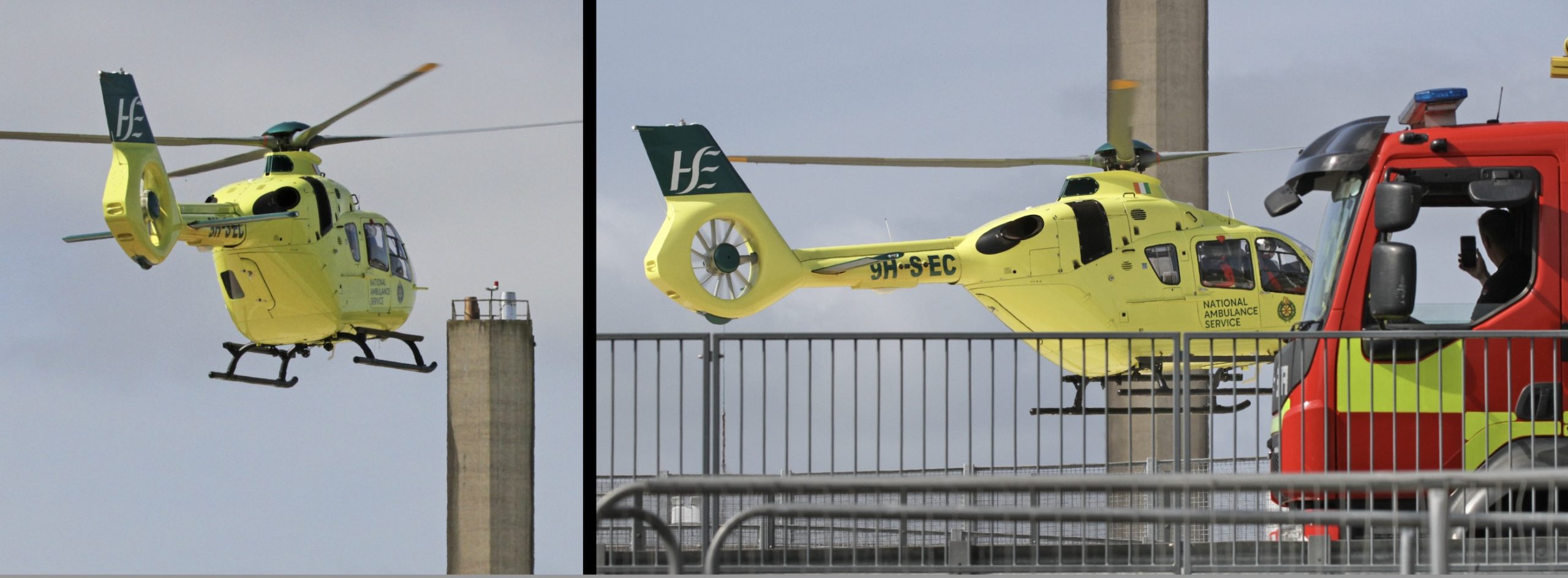
First to test-land was EC135 9H-SEC of the National Ambulance Service from its base at Rathcoole, Co Cork. It was greeted by the proud staff of MMD, the pad’s builders, and others associated with the project.
Two hours later it was the turn of Irish Air Corps AW139 no 279. All pilots have to be aware of the high chimney tower for the hospital’s heating plant to the west. 
The following day saw the Sikorsky S92 EI-ICS of the Irish Coast Guard arrive from its Waterford base, crewed by Pilot Ronan Flanagan, Co-Pilot Steven Donoghue, Winch Operator Mick Tracey and Winchman Peter O’Neill.
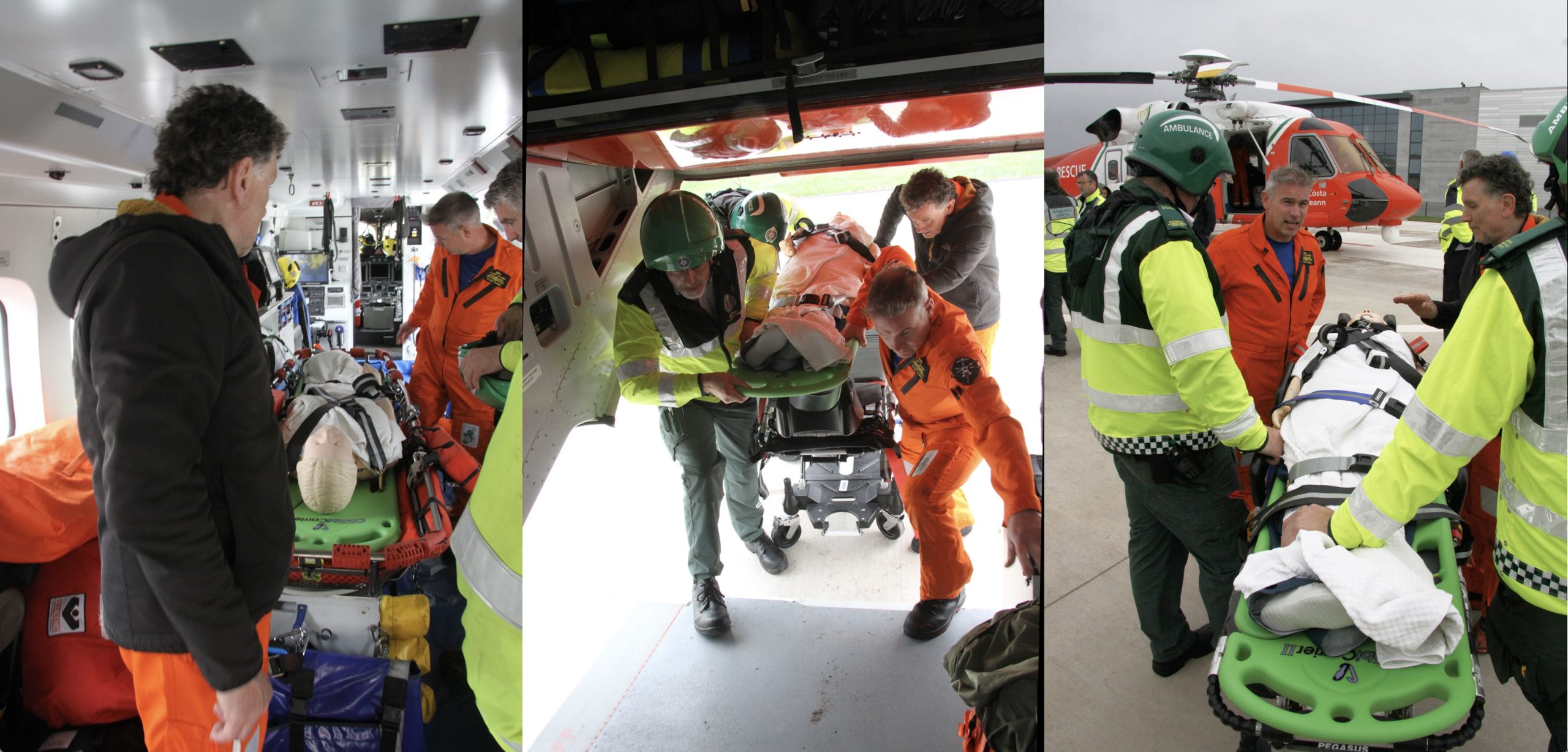
These have a bigger noise footprint and downdraught which highlights the need for such test landings. ICG and ambulance crews took the opportunity to train at loading and unloading a trolley “patient” under rotors-running conditions.

Photos supplied by Gabriel Desmond.

Mark Dwyer
Mark Dwyerhttps://flyinginireland.com
Mark is an airline pilot flying the Boeing 737 for a major European airline. In addition he is also a Type Rating Instructor, Type Rating Examiner and Base Training Captain on the B737. Outside of commercial flying Mark enjoys flying light aircraft from the smallest 3 Axis microlights up to heavier singles. He is also an instructor and EASA Examiner on single engines and a UK CAA Examiner. He flies the Chipmunk for the Irish Historic Flight Foundation (IHFF). Mark became the Chairman of the National Microlight Association of Ireland (NMAI) in 2013 and has overseen a massive growth in the organisation. In this role he has worked at local and national levels. In 2015, Mark won ‘Upcoming Aviation Professional Award’ at the Aviation Industry Awards sponsored by the IAA. Mark launched this website back in 2002 while always managing the website, he has also been Editor and Deputy Editor of FlyingInIreland Magazine from 2005 to 2015.

Related Articles

Newsletter Subscription

Latest Articles